Design smarter. Scale faster
Quill Craft Design System
COMPANY
Portfolio Project
ROLE
UX/UI Designer
EXPERTISE
Product Design
YEAR
2025
Project Description
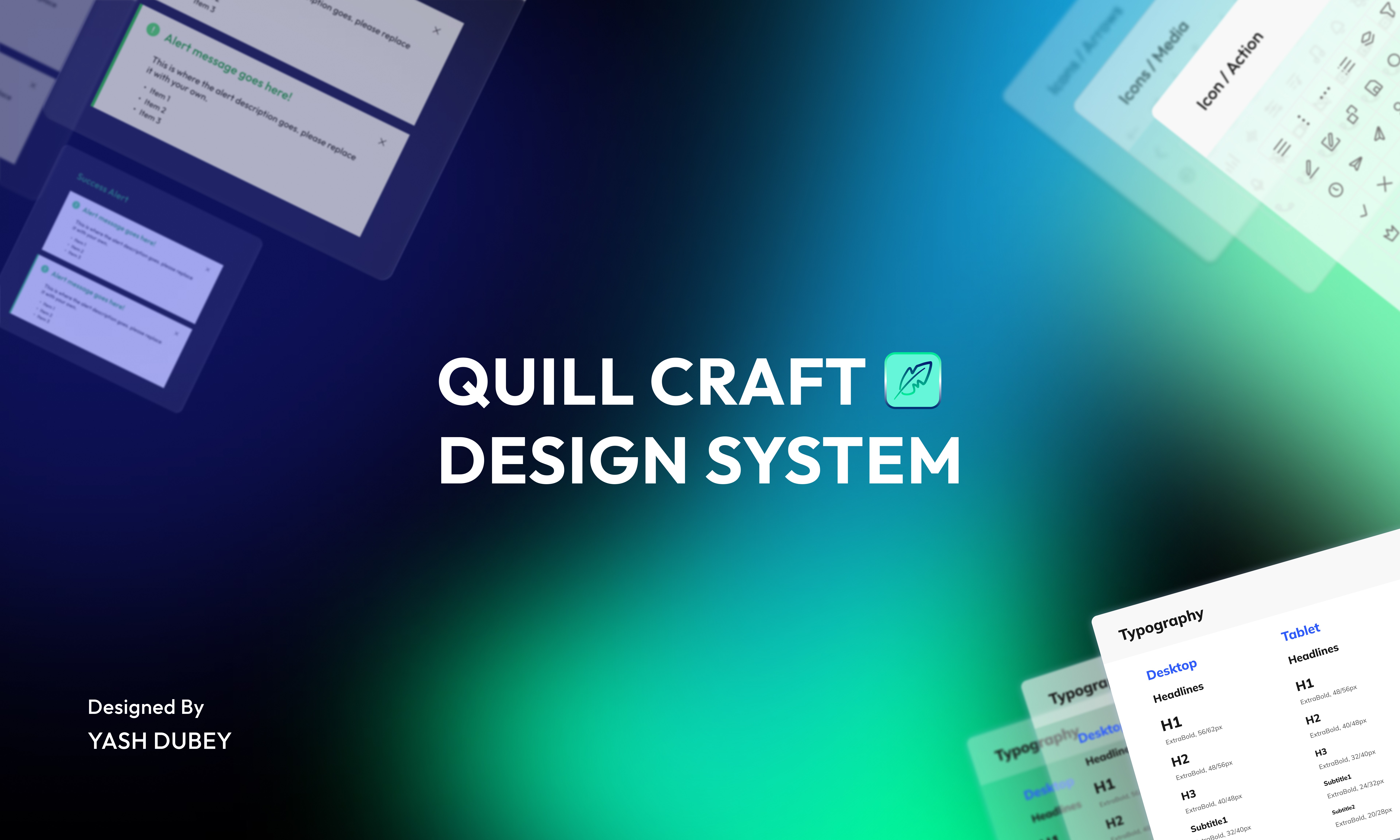
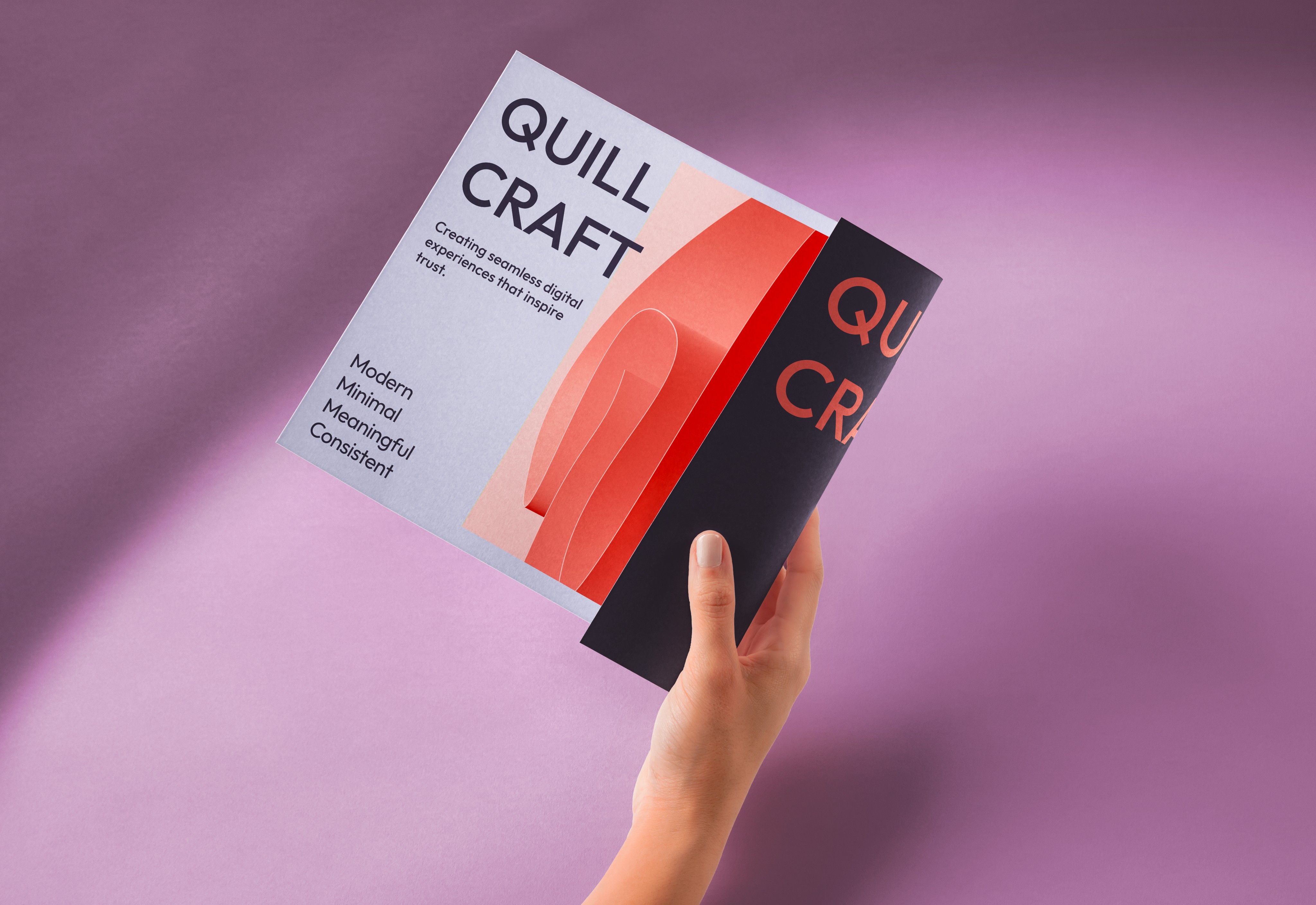
QuillCraft Design System is a comprehensive toolkit built for creating consistent and scalable digital experiences. It includes well-defined design tokens, reusable components, and a responsive grid system, ensuring seamless collaboration between designers and developers. Designed with clarity and flexibility in mind, QuillCraft helps build efficient, elegant, and accessible interfaces at scale.
Timeline
15-30 Days (August 2025 - September 2025)
Background
As digital products grow in complexity, maintaining consistency and efficiency in design becomes critical. QuillCraft Design System was created to streamline the design-to-development process by providing a single source of truth. It combines design tokens, atomic components, and responsive layouts to help designers and developers work in harmony, reduce redundancy, and deliver high-quality user interfaces faster.
Process
Research & Inspiration
Conducted deep research on existing design systems (like Material Design, Carbon Design System) to understand best practices, structure, and scalability principles.Define Design Tokens
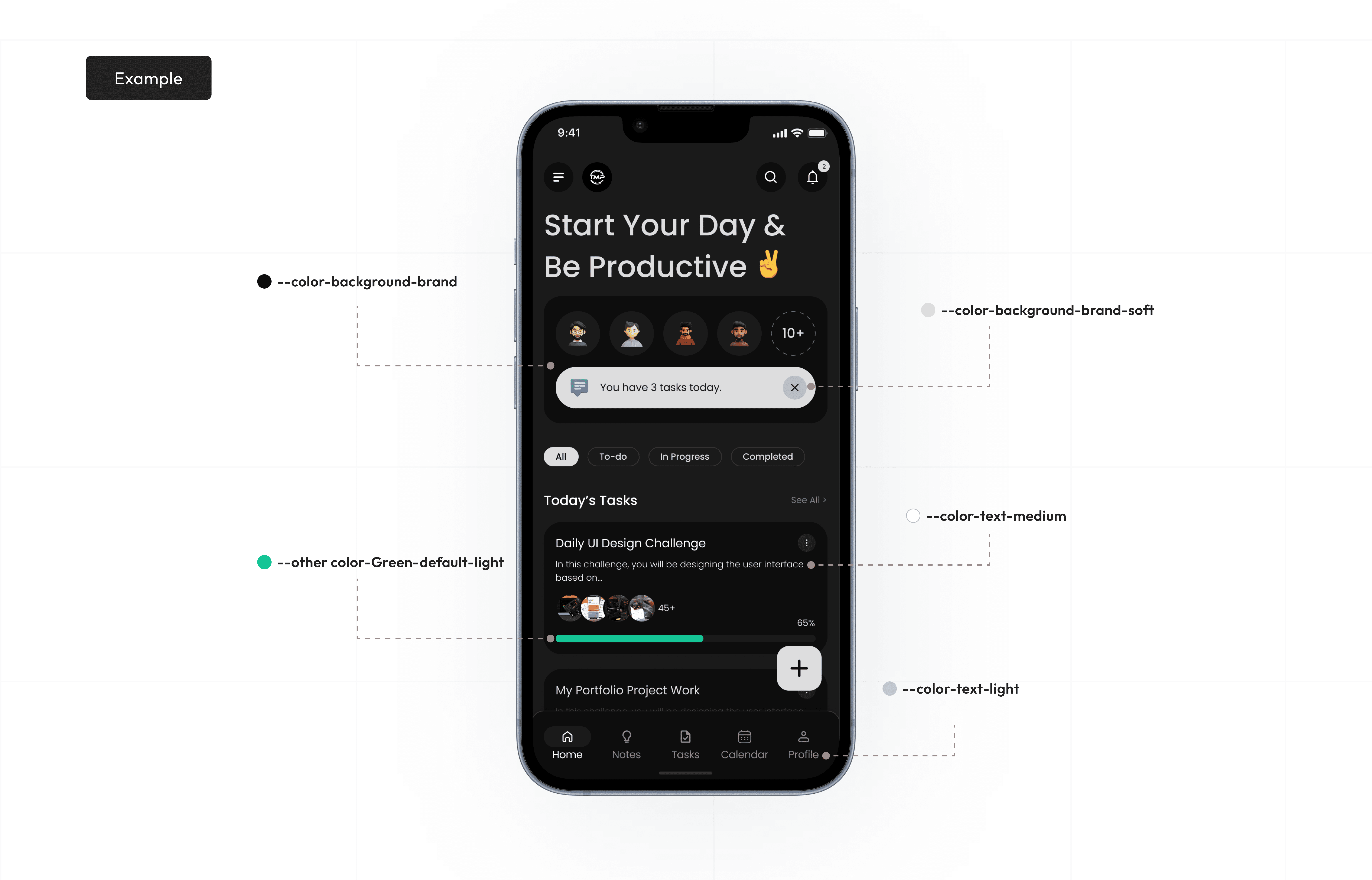
Established fundamental design tokens for colors, typography, spacing, shadows, and radius to ensure consistency across all components.Atomic Design Methodology
Followed atomic design principles — starting from base components (Atoms), combining them into Molecules and Organisms, and finally building fully reusable components.Component Creation in Figma
Created scalable components in Figma with clear Variants (size, state, icons) and Auto Layout for flexibility.Responsive Grid System
Defined grid structure for Desktop, Tablet, and Mobile to ensure responsiveness and alignment consistency.Documentation for Handoff
Prepared clear documentation with usage guidelines and token references to enable smooth handoff to developers.
Goals
✅ Establish a single source of truth for design consistency across projects.
✅ Build scalable, reusable components to speed up design and development.
✅ Improve collaboration between designers and developers with clear documentation.
✅ Ensure responsive design for all screen sizes (desktop, tablet, mobile).
✅ Create a flexible system that supports future product growth and iterations.
Solution
QuillCraft Design System provides a well-structured set of design tokens, reusable components, and a responsive grid system. It enables designers to build interfaces consistently and developers to implement them efficiently. With clear documentation and scalable variants, it reduces redundancy, enhances collaboration, and accelerates product development.
Key Features of QuillCraft Design System
Atomic Components
Built using the atomic design methodology — from Atoms to Molecules to Organisms — ensuring modularity and reusability.Design Tokens
Centralized tokens for colors, typography, spacing, shadows, and radius to maintain consistent design language across projects.Responsive Grid System
Grid layouts designed for Desktop, Tablet, and Mobile to ensure designs are fully responsive and aligned.Component Variants
Each component supports multiple sizes, states (hover, active, disabled), and icon options, making them flexible and easy to customize.Auto Layout & Constraints
Components are built with Auto Layout and Constraints for adaptive resizing and faster iteration.Clear Documentation
Well-structured guidelines and usage instructions for designers and developers, enabling seamless collaboration.
Result
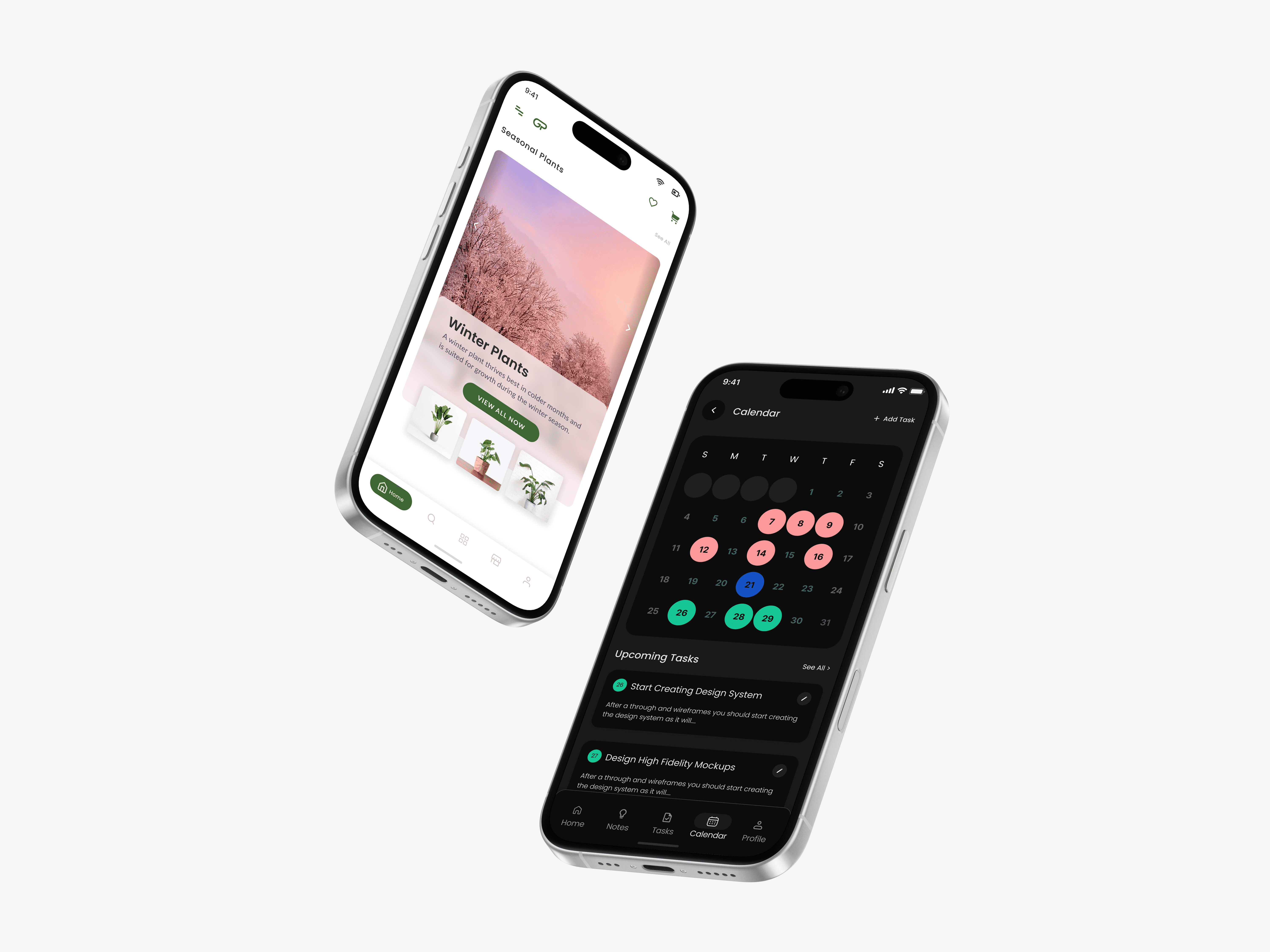
QuillCraft Design System significantly reduced design inconsistency and accelerated product development cycles. Designers and developers experienced a 40% faster handoff process and improved UI consistency across web and mobile platforms, leading to a more seamless user experience.
Learning & Next Steps
Building QuillCraft taught me the power of structured design thinking and the importance of designing for scalability and flexibility.
Moving forward, I aim to expand the system with advanced components, implement dark mode, and further streamline design tokens for easier theming.